MEDICI SYNDROME: Their Coat of Arms is only the beginning...
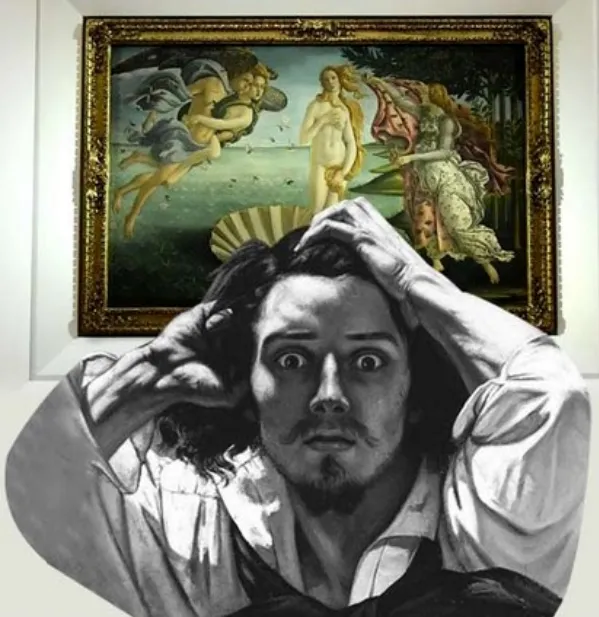
The disorder was first cited in Florence in 1817 by the French author Marie-Henri Beyle (better known by his pen name "Stendahl").
However, it did not enter the scientific literature as a clinical condition until 1989, when it was described by psychiatrist Graziella Magherini at Florence's Santa Maria Nuova Hospital.
At present, there is no evident cure except going home or giving up art.
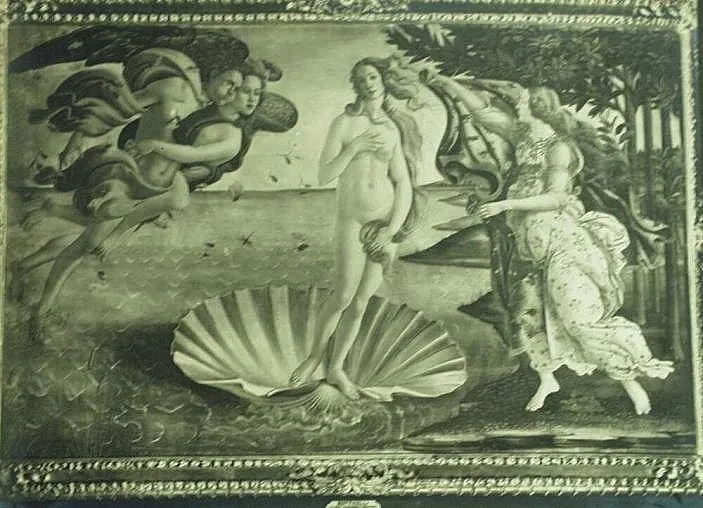
This lyrical painting was evidently commissioned around 1485 by Lorenzo di Pierfrancesco de'Medici for the Villa di Castello on the outskirts of Florence.
Disambiguation: Lorenzo di Pierfrancesco de'Medici was one of various illustrious cousins of the better-known Lorenzo di Piero (not Pierfrancesco) de' Medici, generally known as "Lorenzo the Magnificent".
Essential Take-away: The Medici Family dominated Florence for several centuries and there were a lot of them. Unless you have a whole archive of genealogical charts and bio-blurbs on your phone, you are not going to keep them all straight.
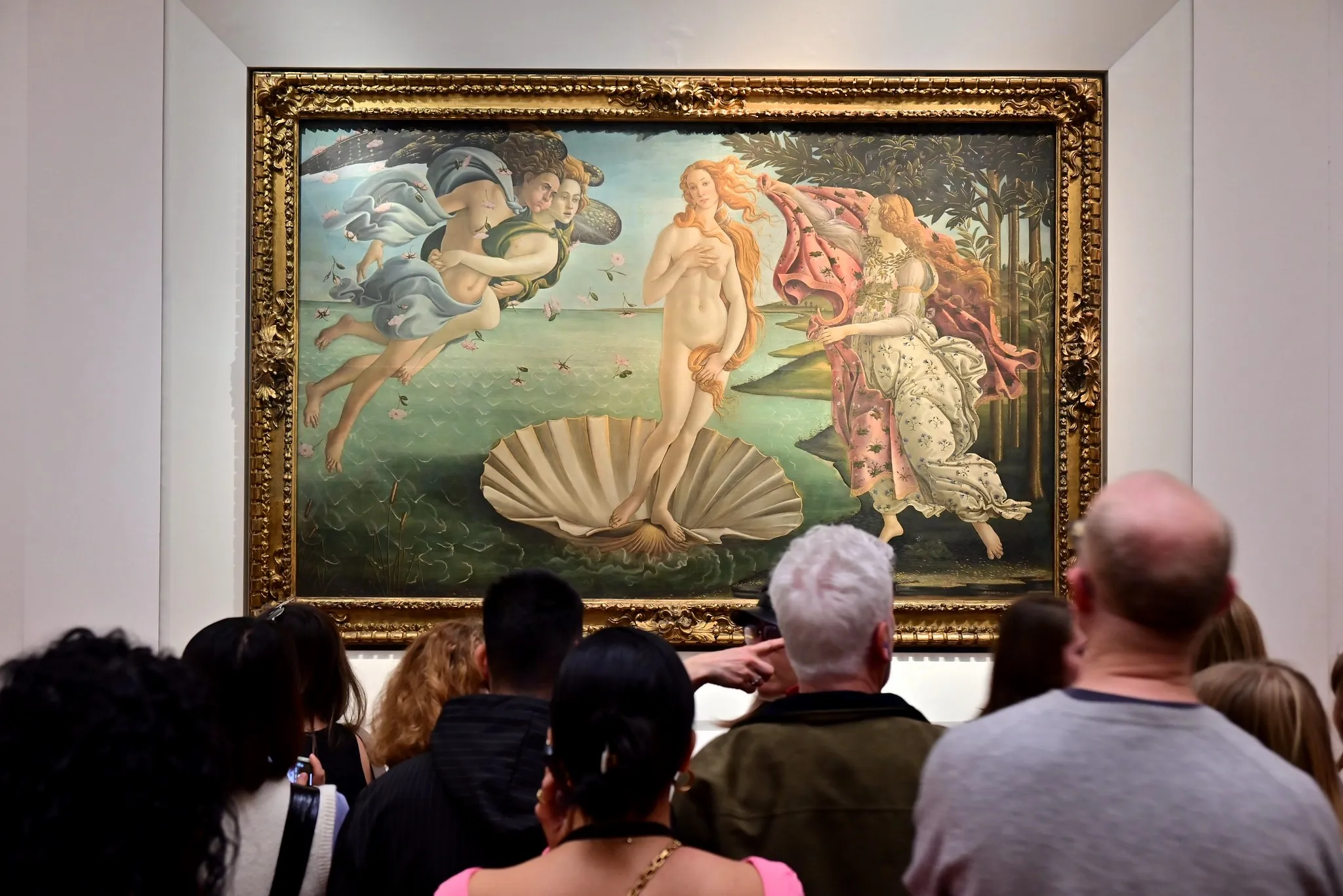
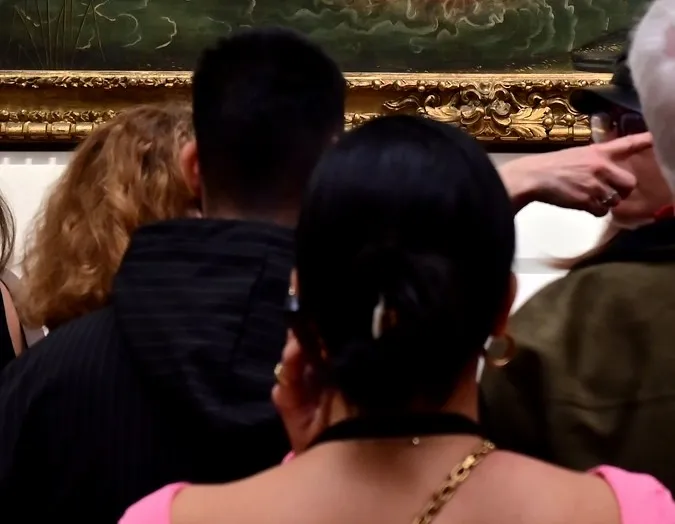
Monsieur Stendahl had it easy, back in the gracious age of the Grand Tour, when his own delicate perceptions were all he had to manage.
Nowadays, "overtourism" is off and running. We are all part of the problem, trampling everyone and everything in our way.
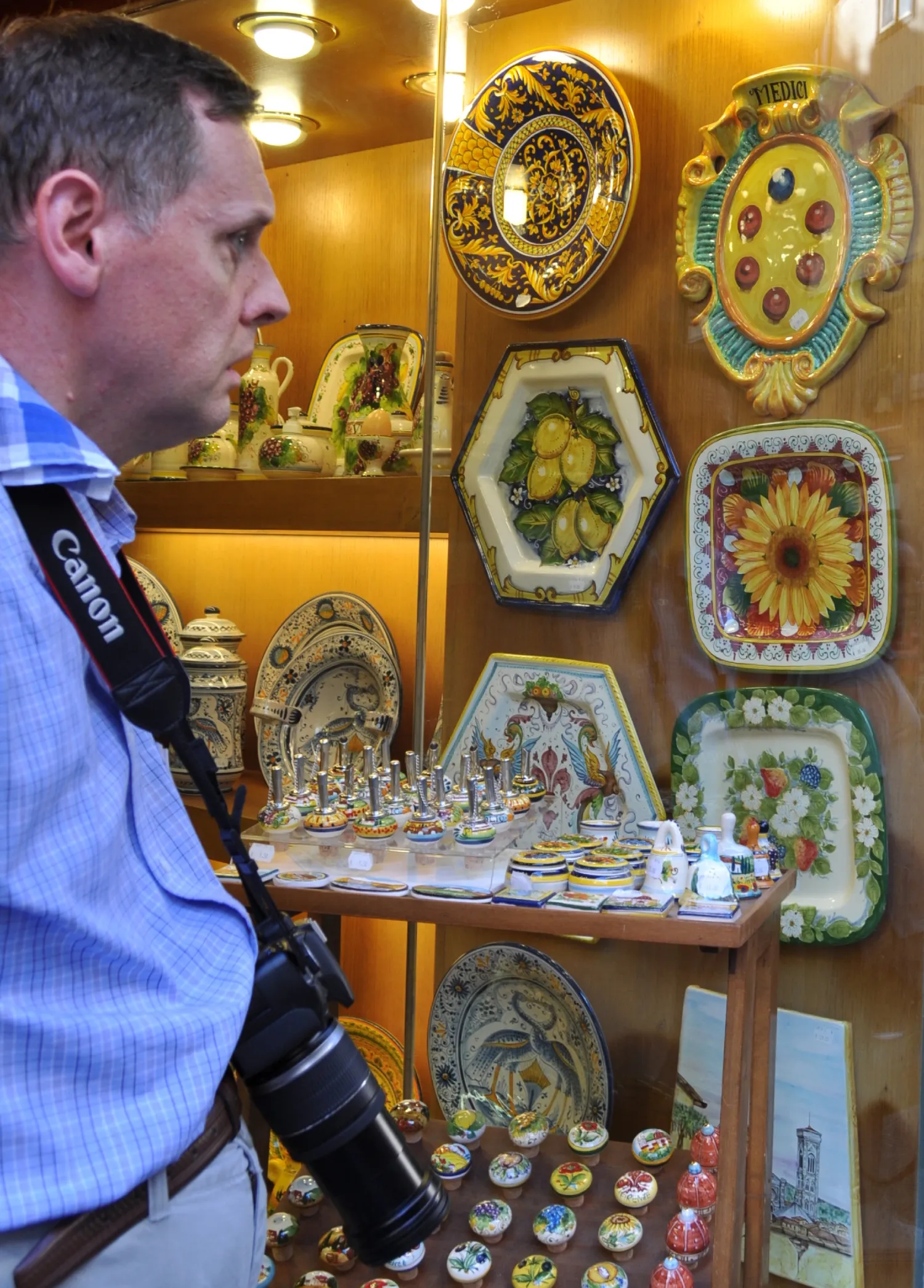
Meanwhile, there are all those Medici, still challenging us at every turn.
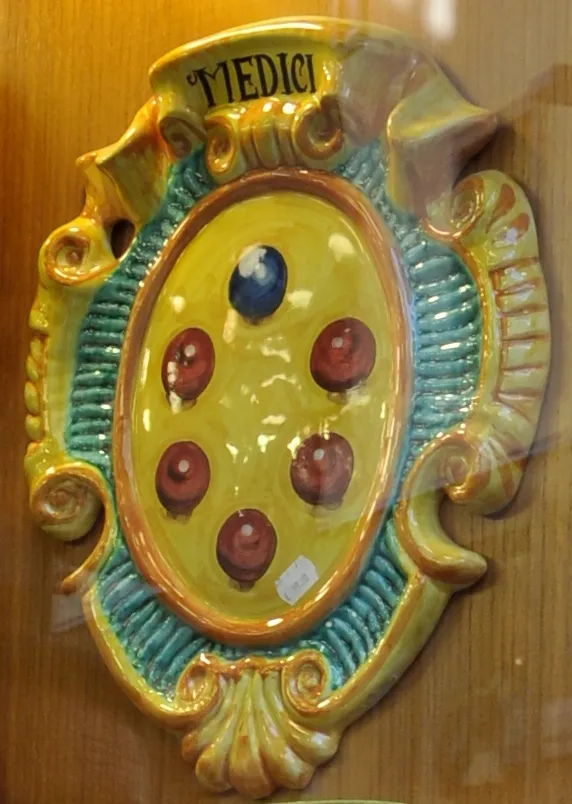
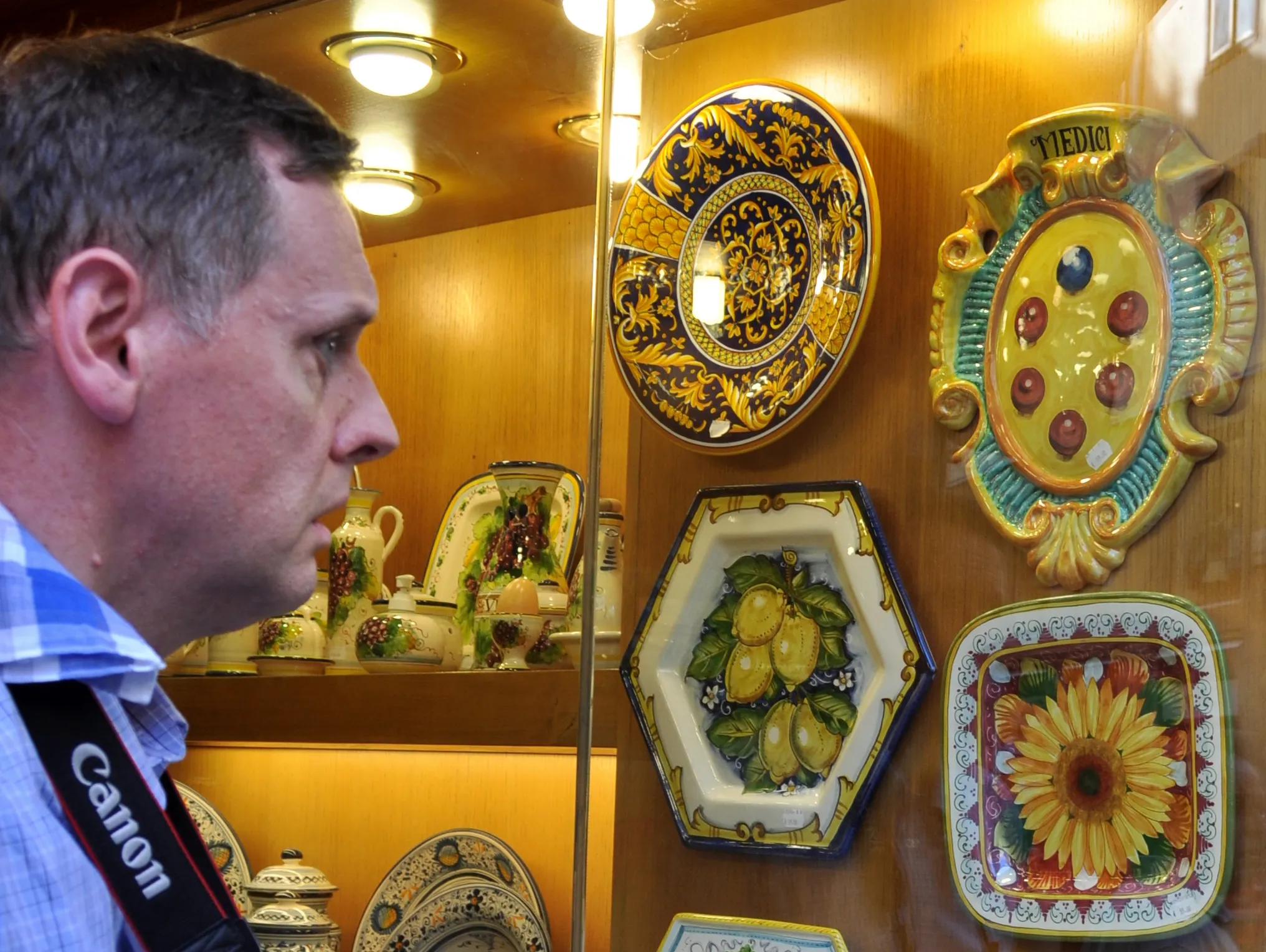
Five tortaux gules two, two and one, and in chief, a roundel azure thereon three fleur-de-lys or.
Otherwise, in plain (non-heraldic) language:
Five red balls placed two on each side and one at the bottom, surmounted by a blue ball [often, but not in this case] bearing three gold lilies.
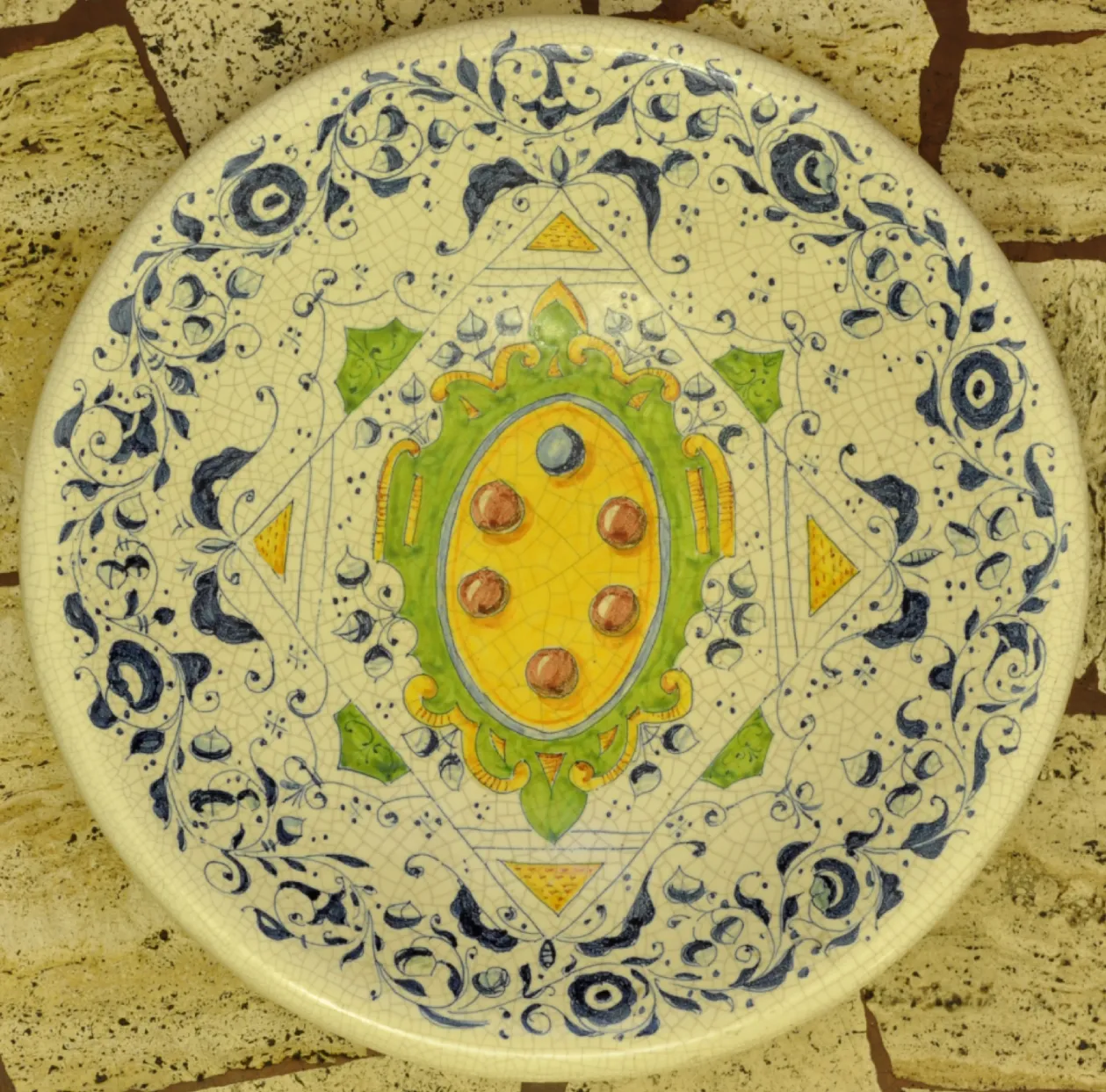
What is it about the Medici Coat of Arms that triggers both rapture and panic— often at the same time?
On the ground in Florence, there is never only one Medici.
They seem to roam in packs and their coat of arms is often the only warning.
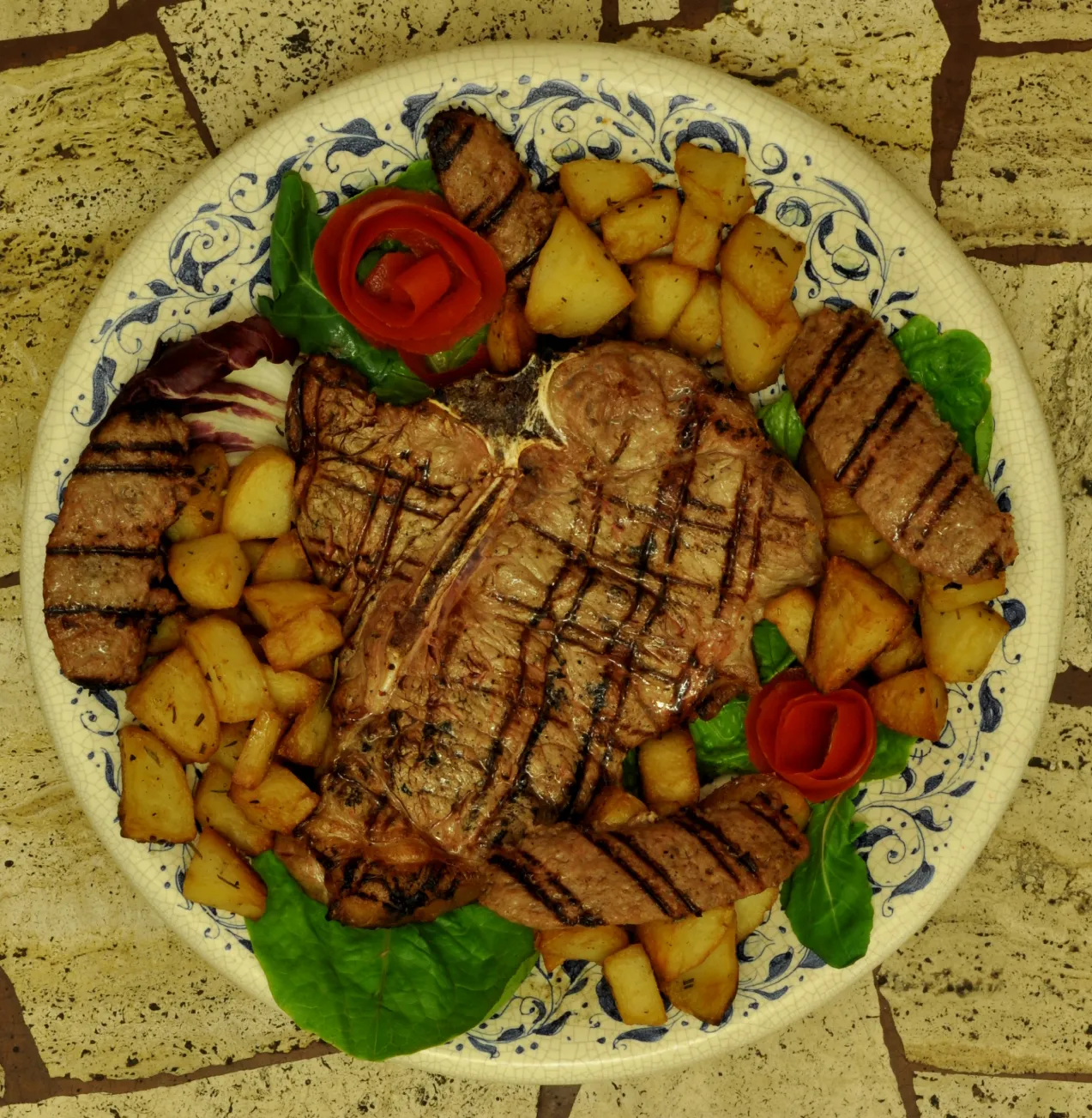
Then— when they ambush you— "sensory overload" doesn't even begin to describe it.

All Hail the Medici?
All Hail Medici Art?

In Florence, daily life can feel like a royal command performance, even three hundred years after the extinction of the Medici dynasty.
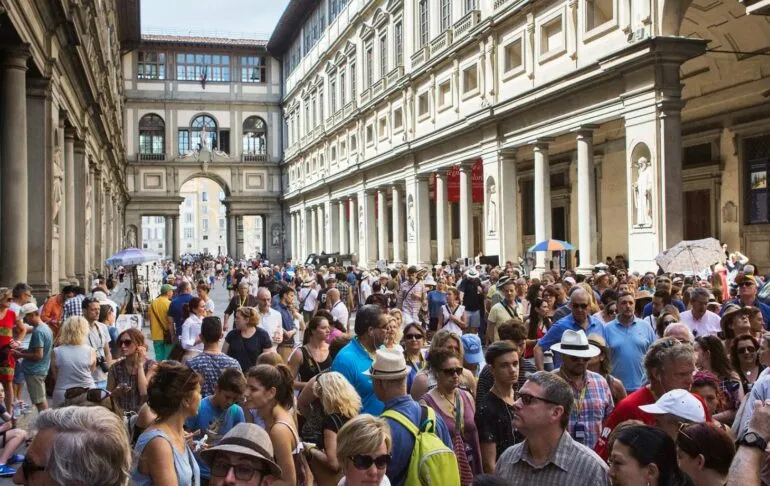
Especially for stressed-out tourists funneled into the city's jam-packed museums— which still feature the Medici dynastic collections, often in former Medici residences.
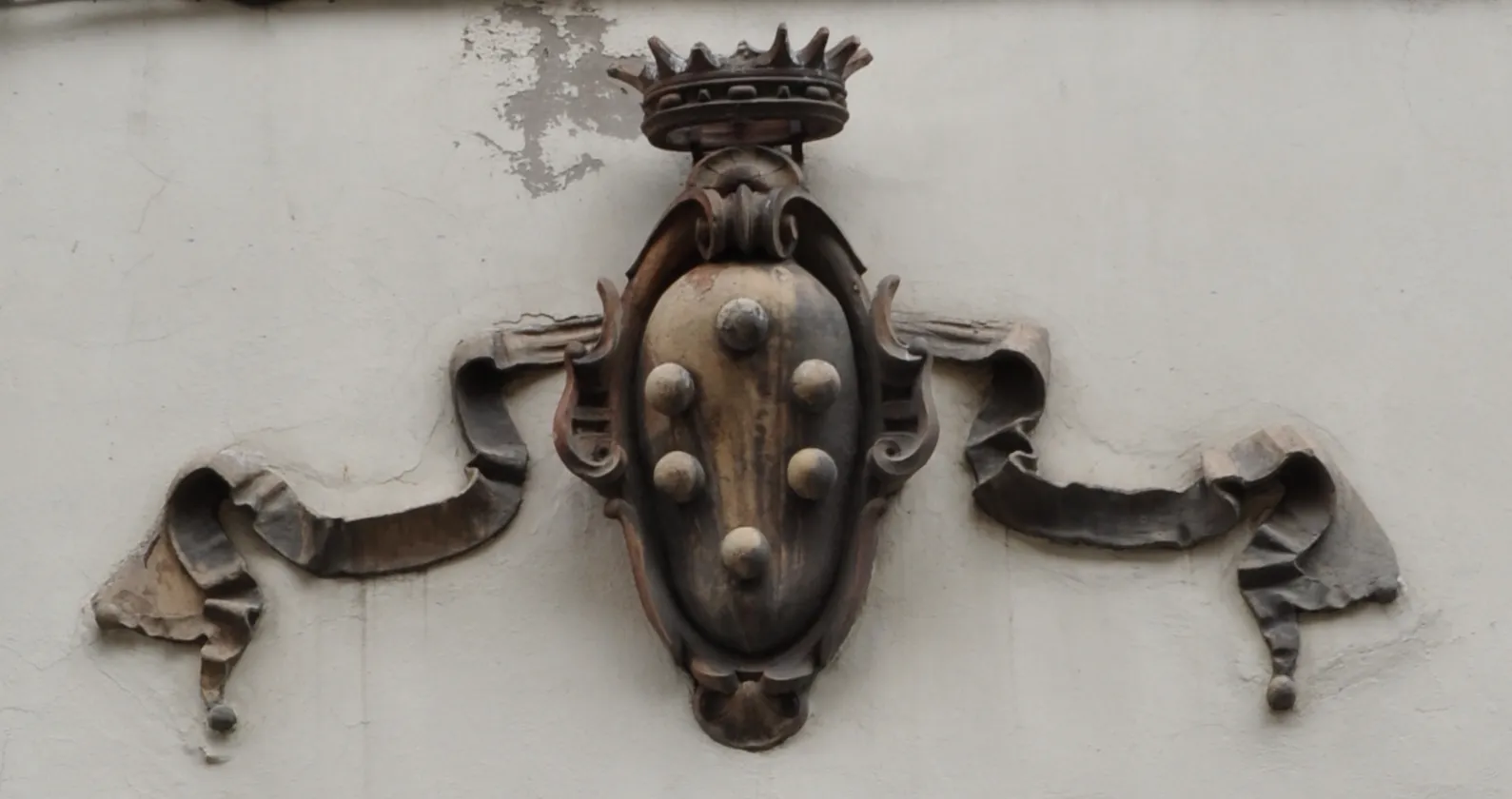
Safe space? Don't even ask!
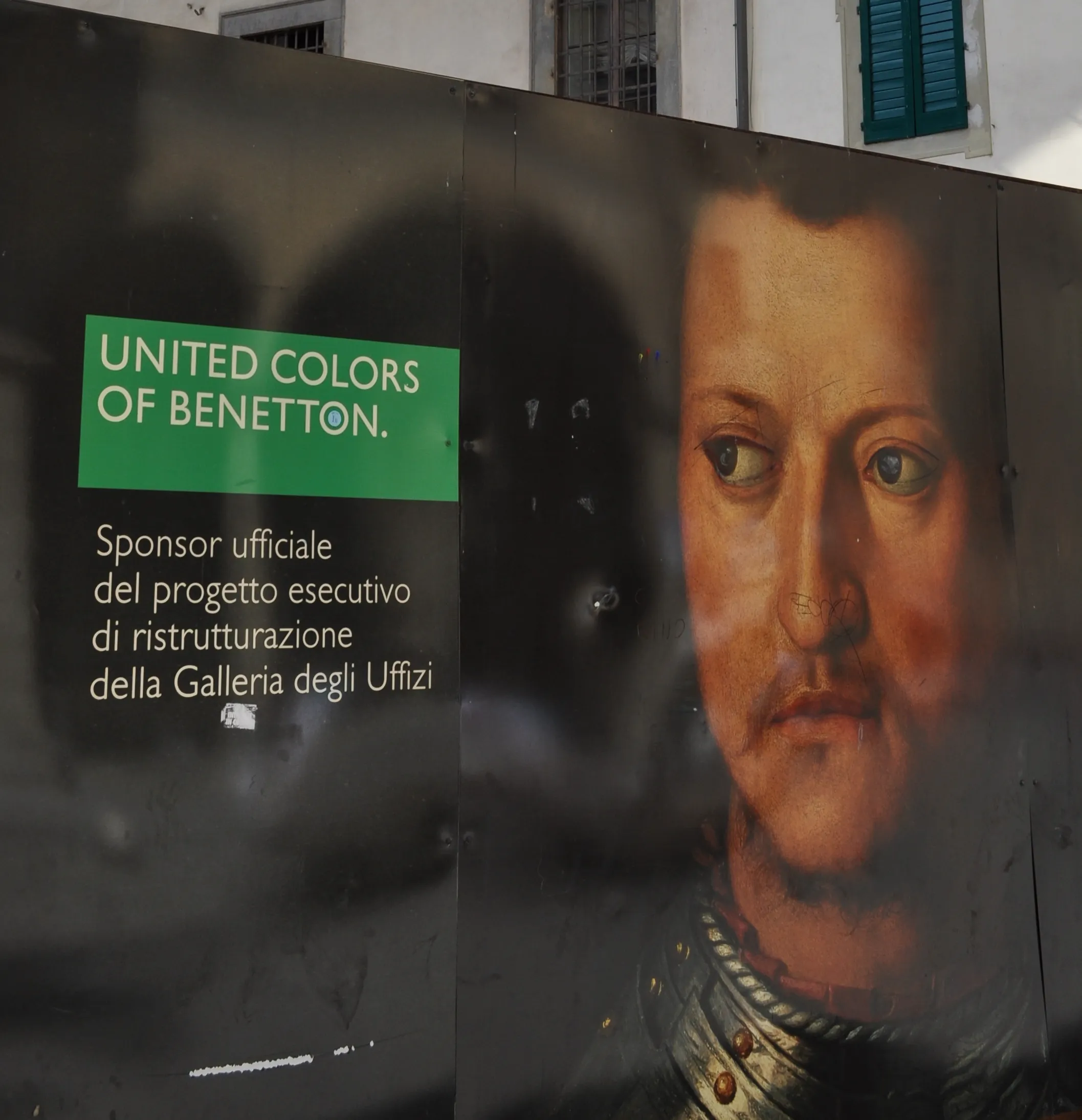
Whoever we are and wherever we go, we have the Medici looking over our shoulders.
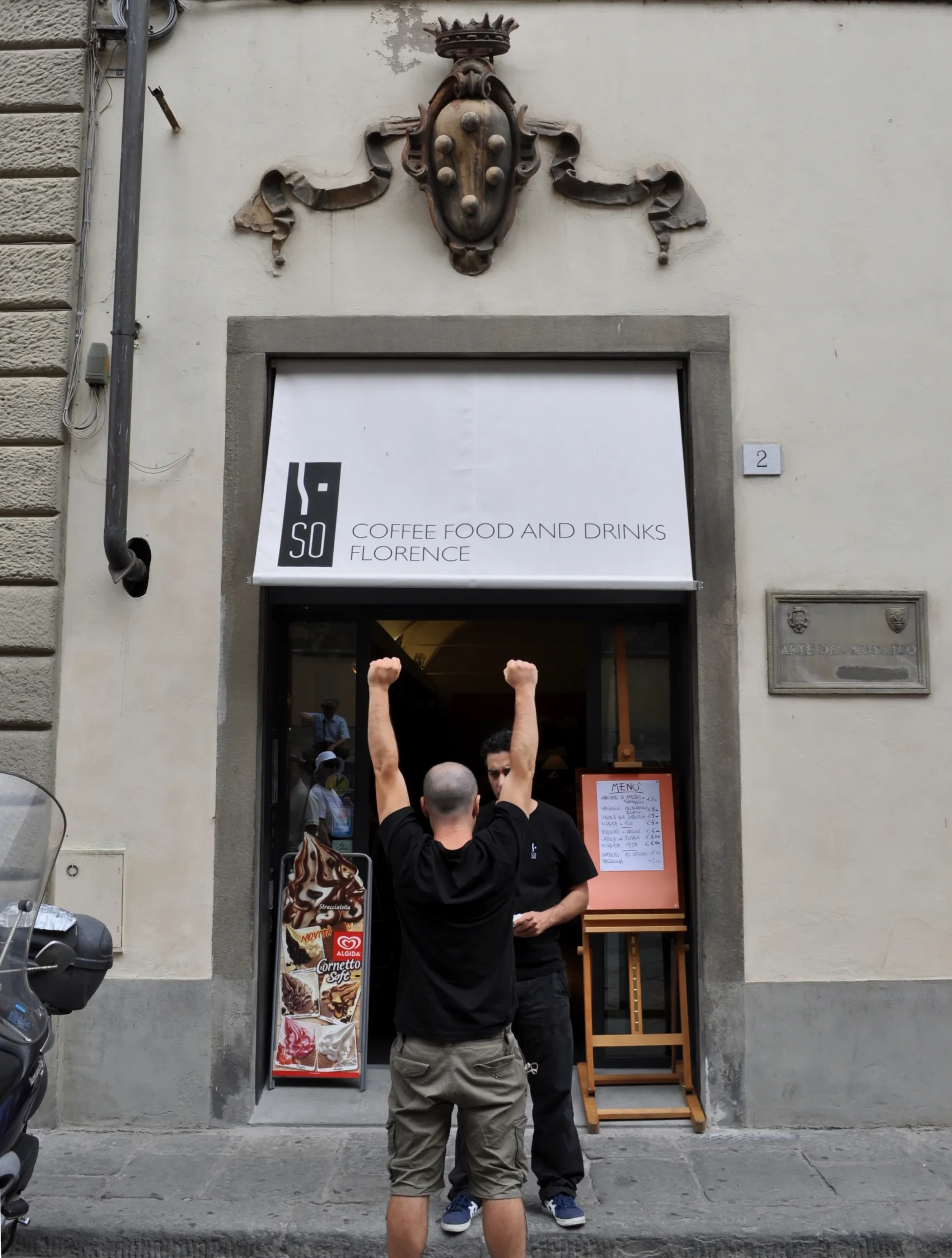
All hail the Medici!
Unless this guy is just demonstrating his lifting technique and the former rulers of Florence don't figure into it at all?
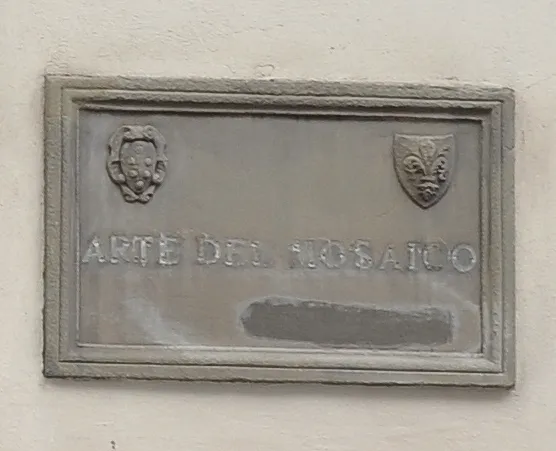
Once upon a time, before these local entrepreneurs went the panino and gelato route, there was a workship here producing hard stone inlays (among the most Florentine of traditional crafts).
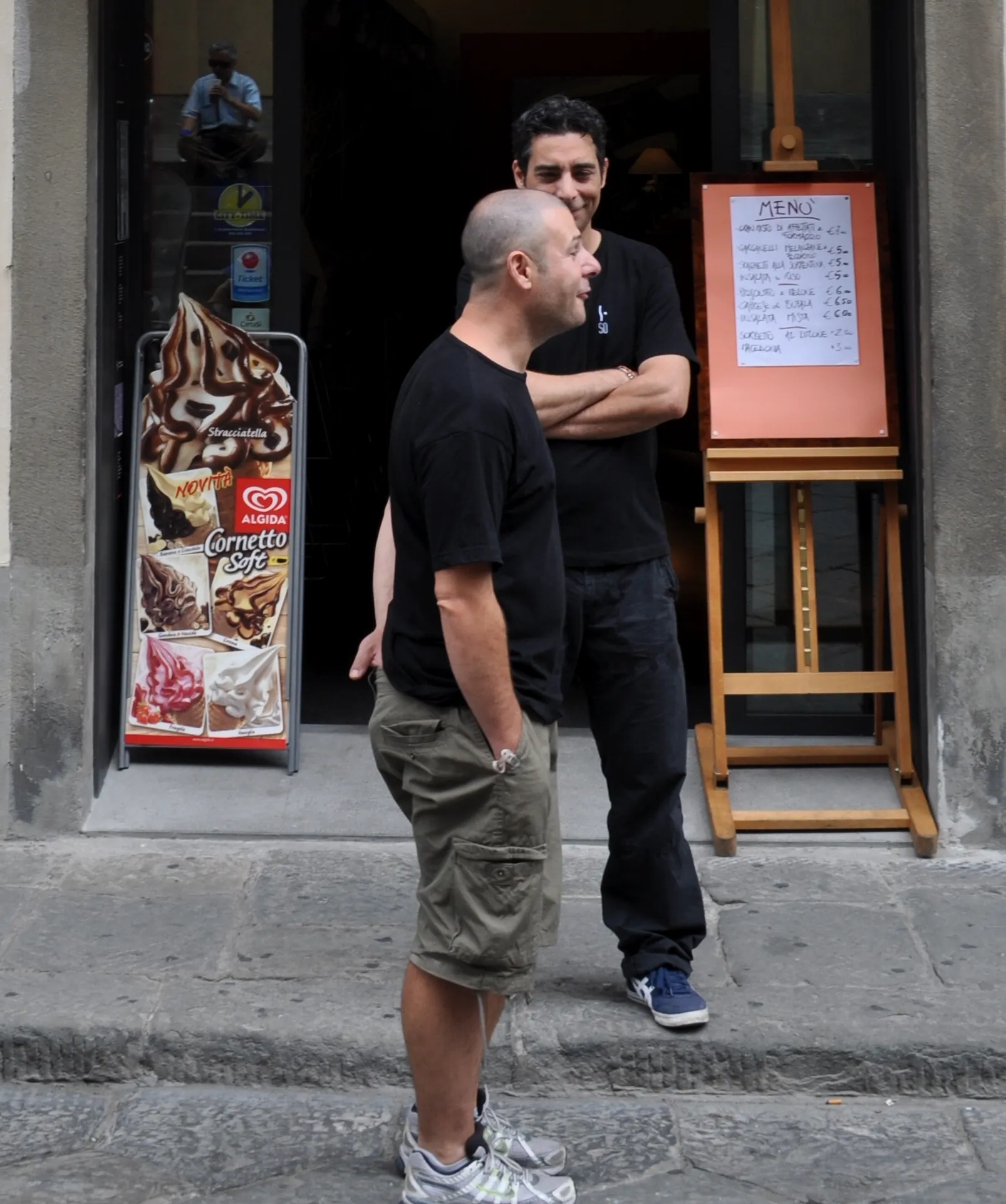
Reflected in the plate glass (upper left), someone from somewhere now reads his phone while slurping down a supersized drink.

More window reflections (below).
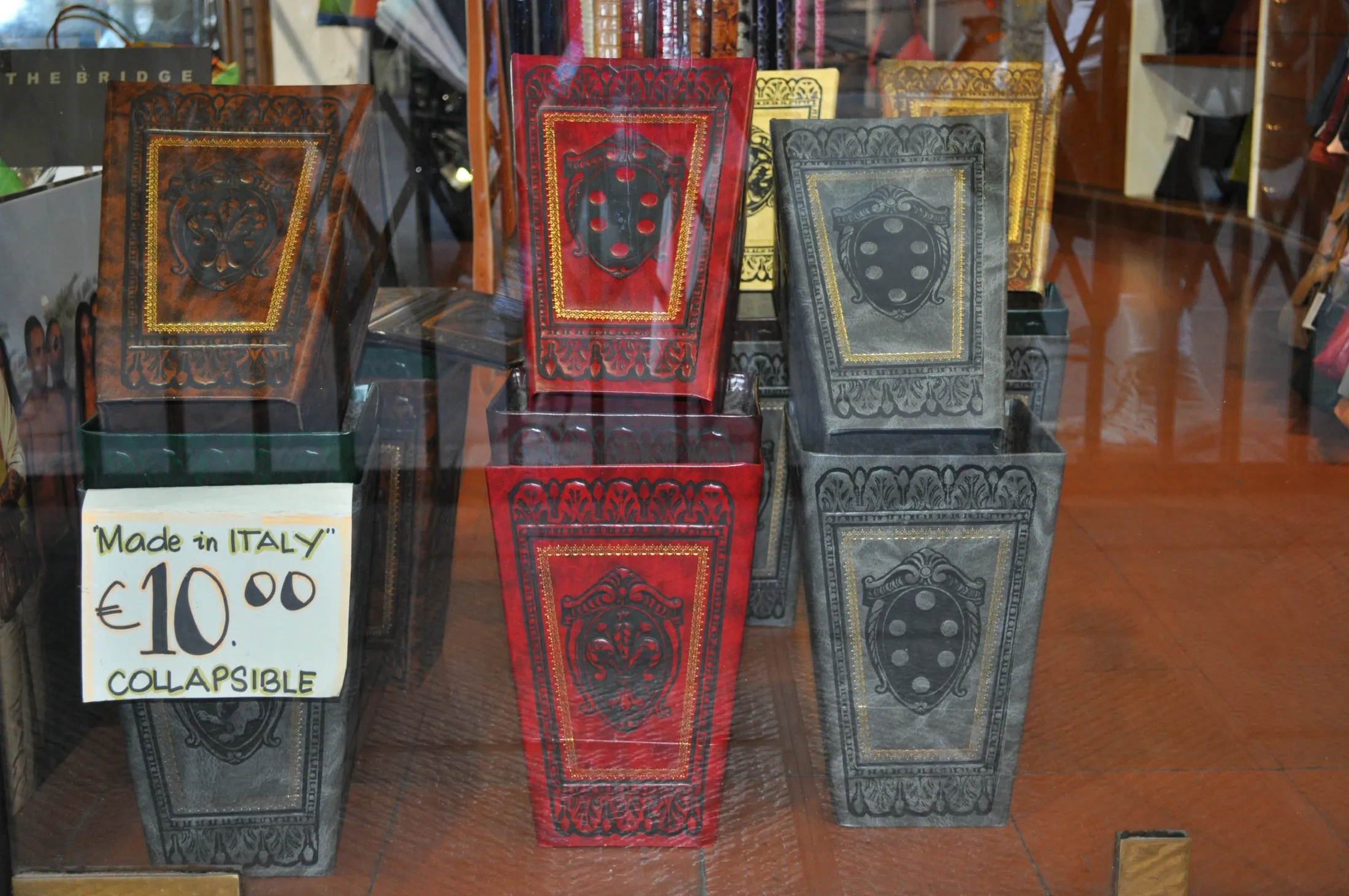
Medici waste paper baskets.
Leather-like, made in Italy and highly collapsible —ready to pop into your suitcase.
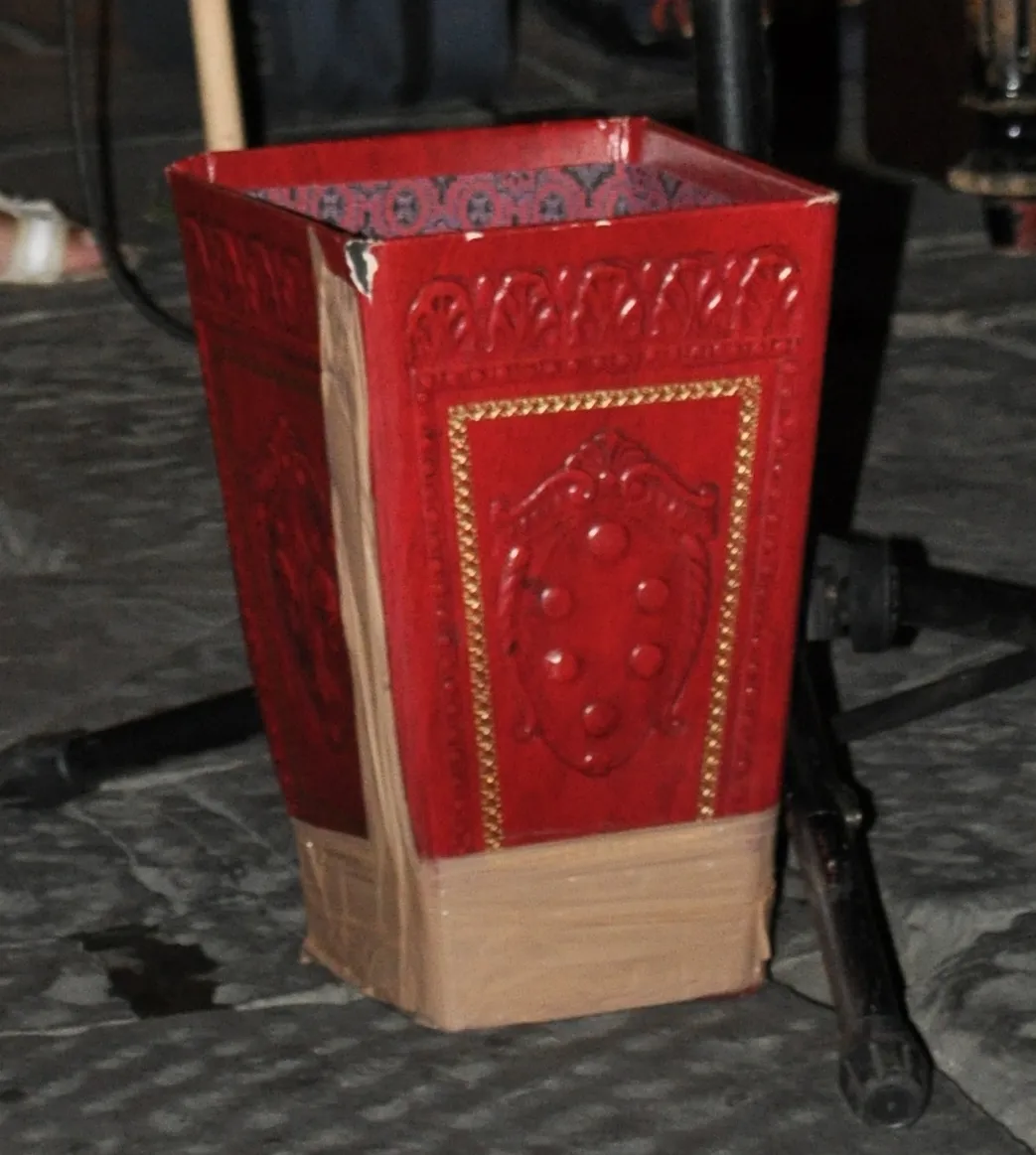
Radiating Medici glamour wherever they go...
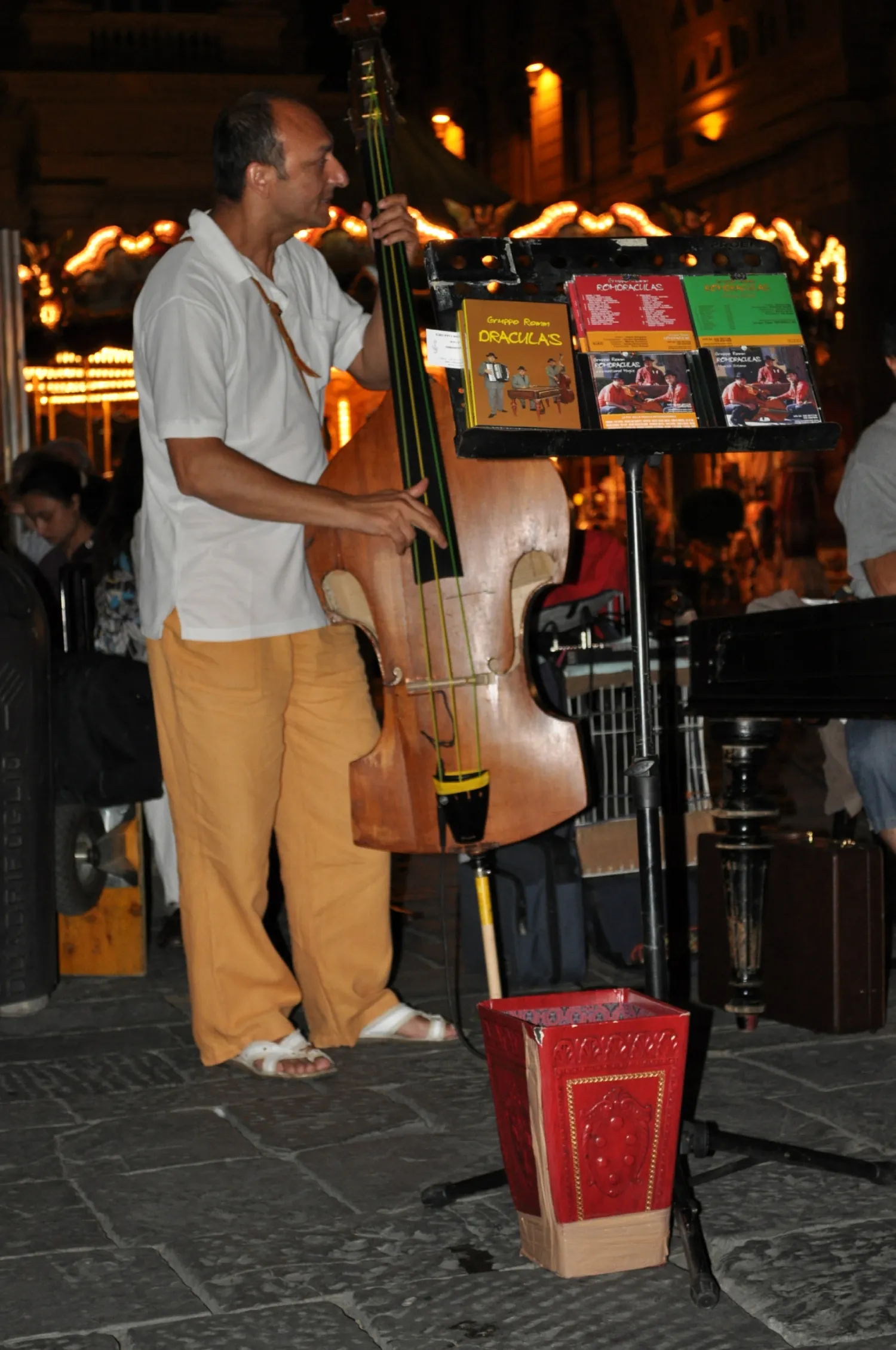
Live! In Piazza della Repubblica! The Rom Draculas!
With Medici Patronage and a little packing tape...
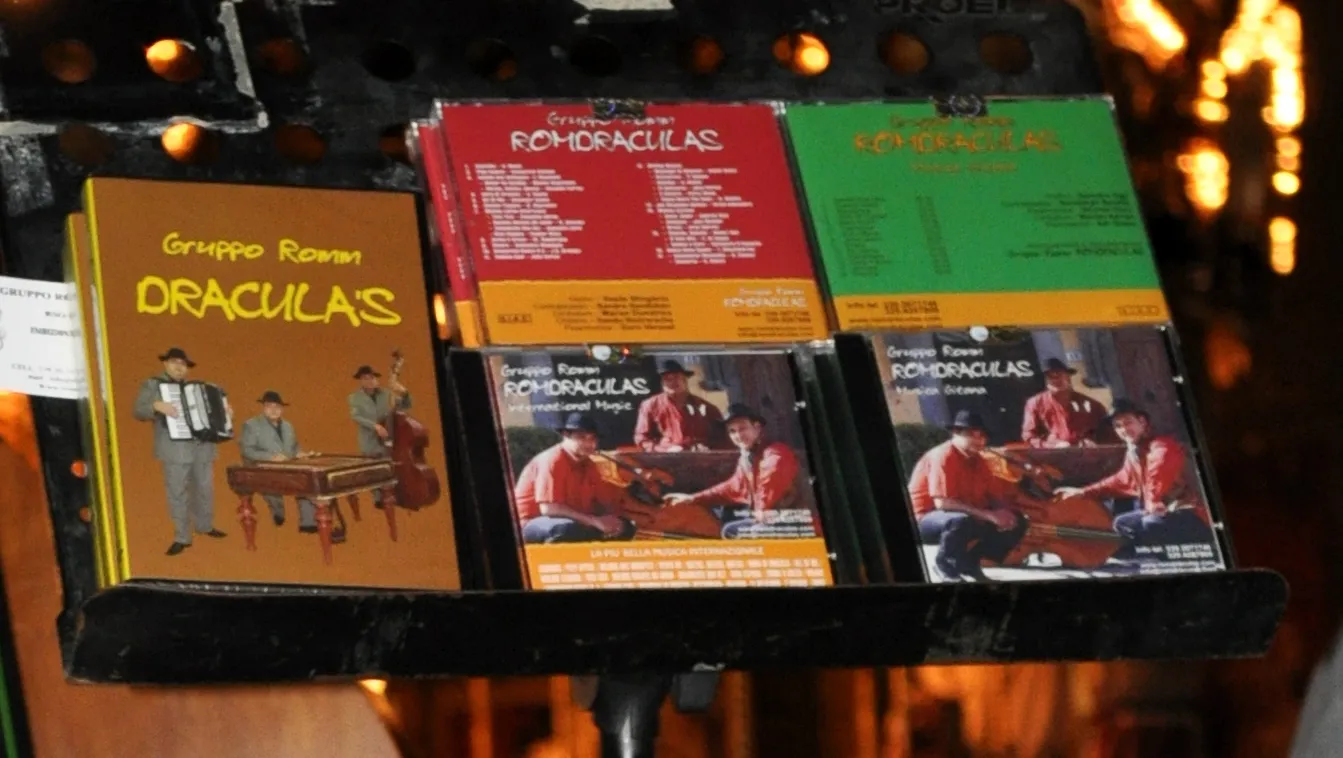
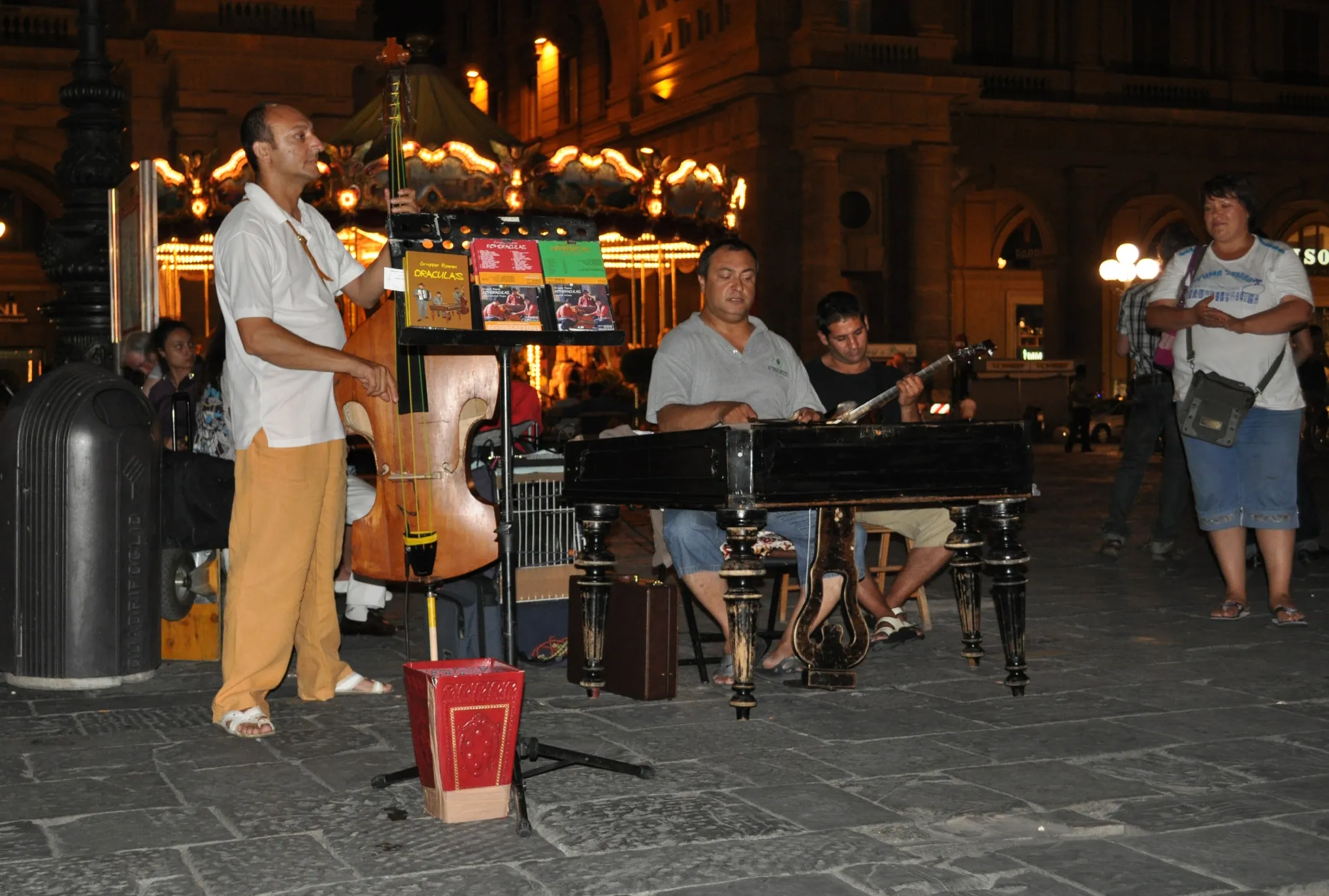
For years, Vasilică Stângaciu and his dazzlingly accomplished Gypsy musicians brought the tangos, czárdás and tea-dance jazz of 1930s Bucharest (or so I imagine) to downtown Florence.
That— rather than anything Italian —is the sound that conjures for me the city at night.
Armorial flourishes take us by surprise in Florence's dense historic center, where unnoticed side streets command the most dramatic views.
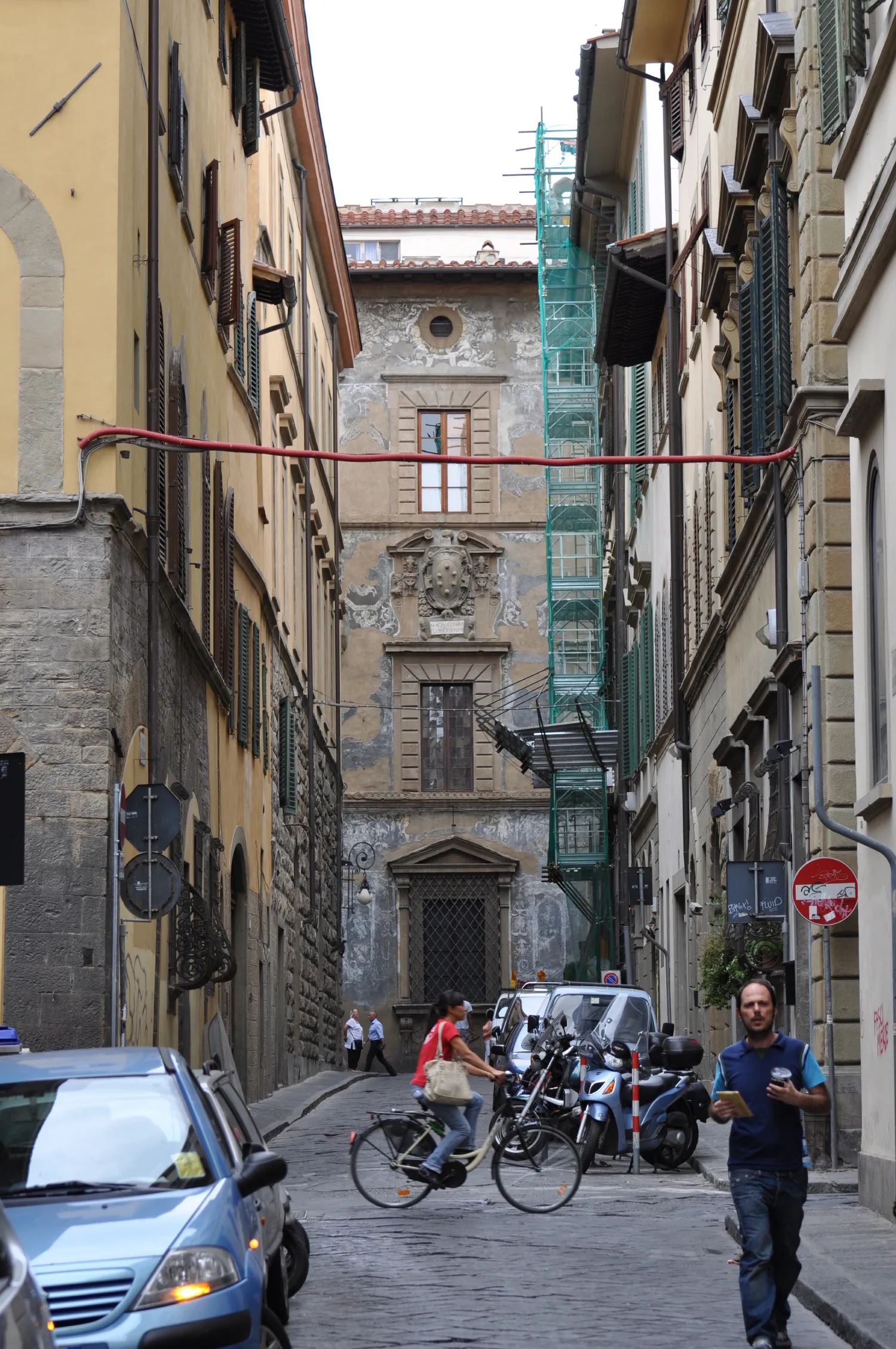
A passing glimpse of the Palazzo Ramirez de Montalvo, built in the 1560s for a Spanish grandee who migrated to Florence in the entourage of Eleonora de Toledo, wife of Cosimo I de' Medici.
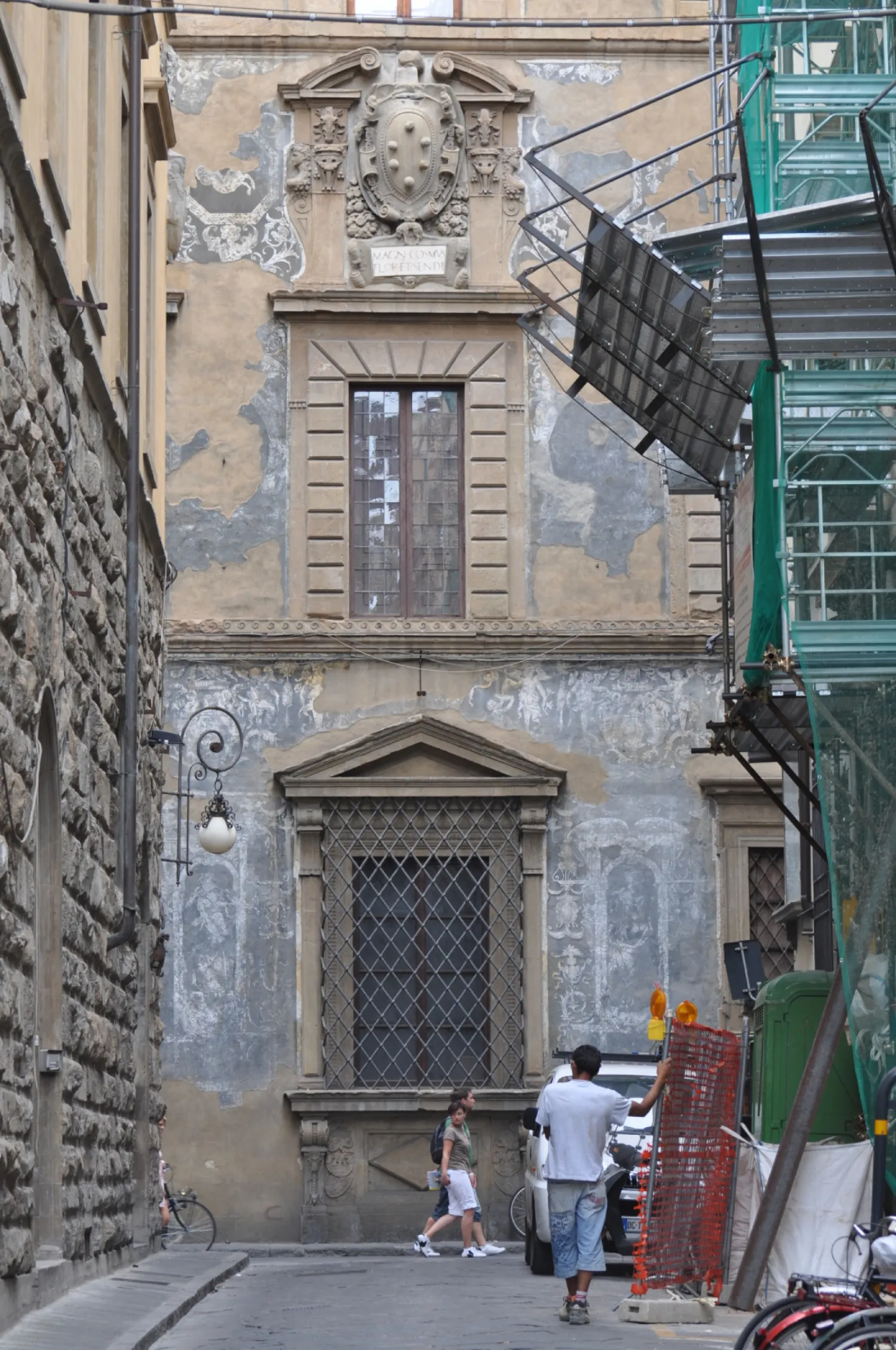
Bartolomeo Ammannati, probably the most renowned sculptor and architect of that age, piled up fantastic ornament culminating in the coat of arms.
Giorgio Vasari, Florence's pre-eminent painter (and first art historian), designed the sgraffito decoration on the walls (scratched into two layers of white over dark gray plaster).
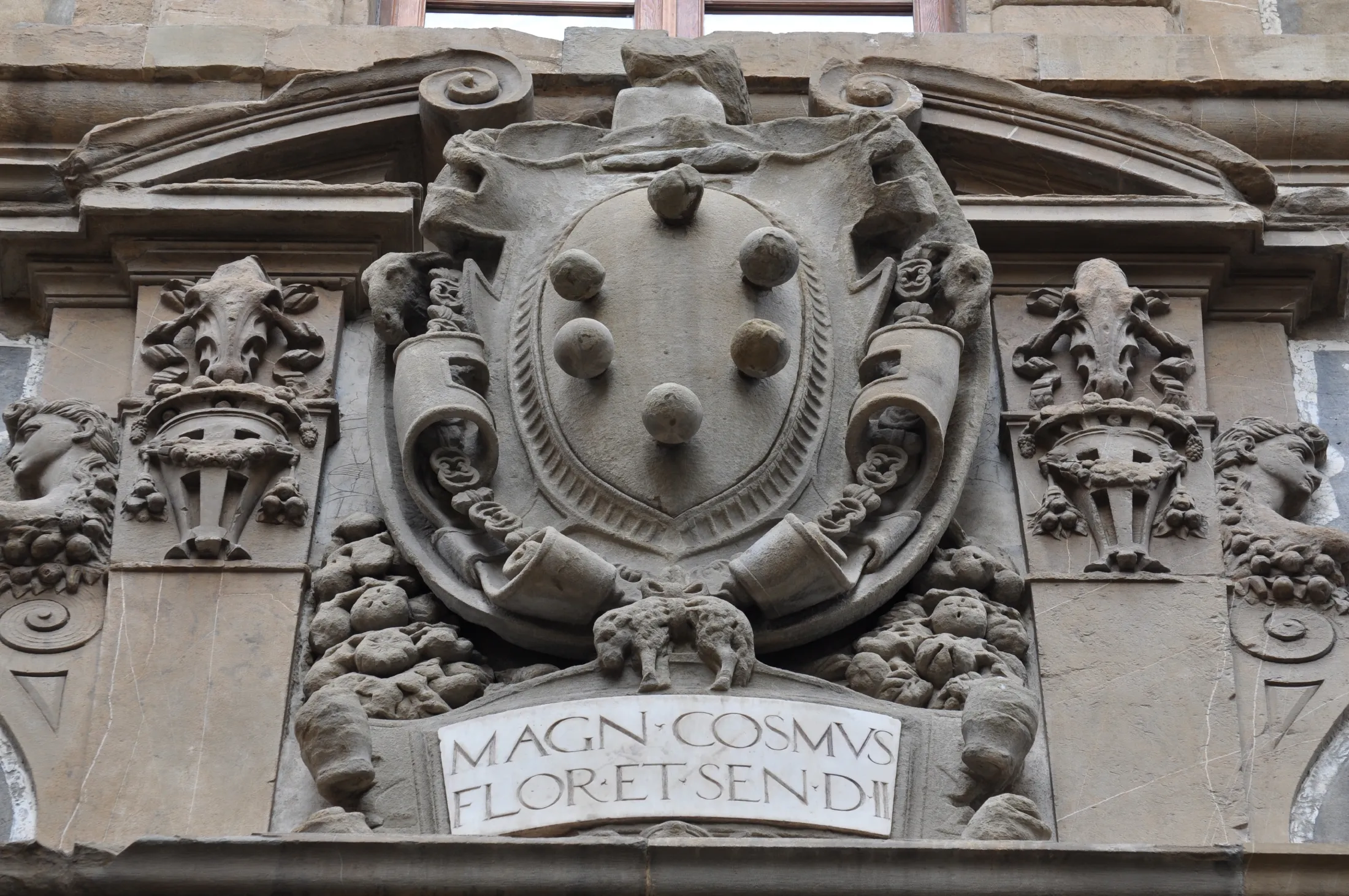
Why is the Medici arms (specifically those of Cosimo I) featured on someone else's majestic new residence?
In those years, Florence was emerging as a princely capital. Every aspect of life was defined by its relationship to the ruler and his regime.
Antonio Ramirez de Montalvo was a personal aide to both Cosimo I and his consort Eleonora de Toledo.
He enjoyed the ultimate in privileged access at court. Now, this favor and influence was displayed for all to see.
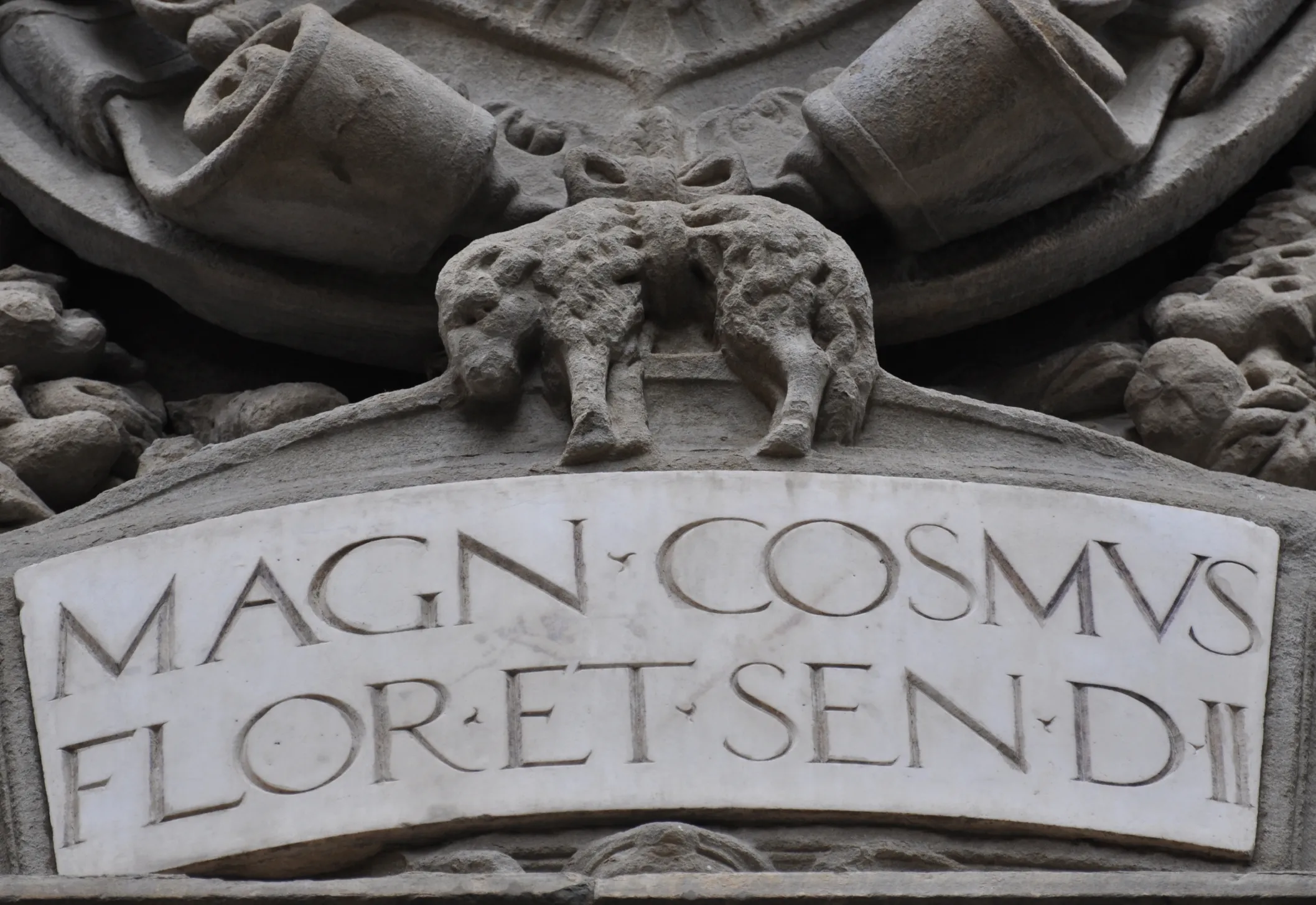
Coats of arms might seem the ultimate expression of eternal hierarchy and order.
Each, however, defines a distinct moment— locking into place the latest cycle of deaths and marriage alliances, military and political victories and defeats, gains and losses of land and titles.
In the present case, we have the Medici palle (balls) encircled by the collar and badge of the Toison d'Or (Golden Fleece) with MAGN.COSMVS.FLOR.ET.SEN.D.II (The Magnificent Cosimo Second Duke of Florence and Siena).
So, even without knowing the building history of Palazzo Ramirez de Montalvo, we can plot the heraldic evidence on a timeline:
● In 1537, Cosimo de'Medici was pronounced Second Duke of Florence after the assassination of his cousin Alessandro.
● In 1546, Holy Roman Emperor Charles V conferred the grand chivalric order of the Golden Fleece on Duke Cosimo.
● In 1555, Cosimo de' Medici annexed Siena after an intense siege, then stylled himself Duke of Florence and Siena.
(Then in 1568, parentheically, the Palazzo Ramirez de' Montalvo was completed —in the very last year that Cosimo de' Medici used the "Duke of Florence and Siena" title.)
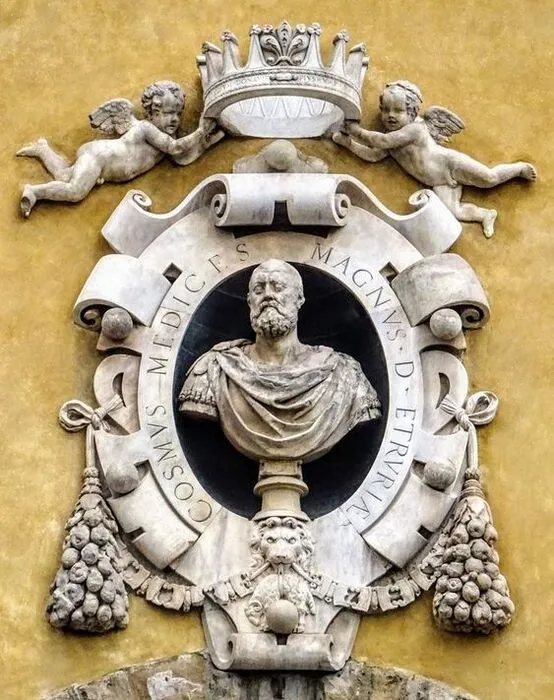
● In 1569, Pope Pius V elevated Cosimo to the dignity of Grand Duke of Tuscany, giving him a ceremonial edge over other Italian princes.
So, if Bartolomeo Ammannati could have waited another year, Don Antonio might have acclaimed his patron with an even more fulsome display— like the one above.
COSMUS . MEDICES . MAGNUS . D . ETRURIAE = COSIMO MEDICI GRAND DUKE OF ETRURIA
Bandini pushed the Medici balls into the outer frame, making space for an armored portrait bust in the Roman style. Above and below, he inserted Cosimo's newly upgraded crown and the Marzocco (Lion) of the now defunct Florentine Repuiblic.
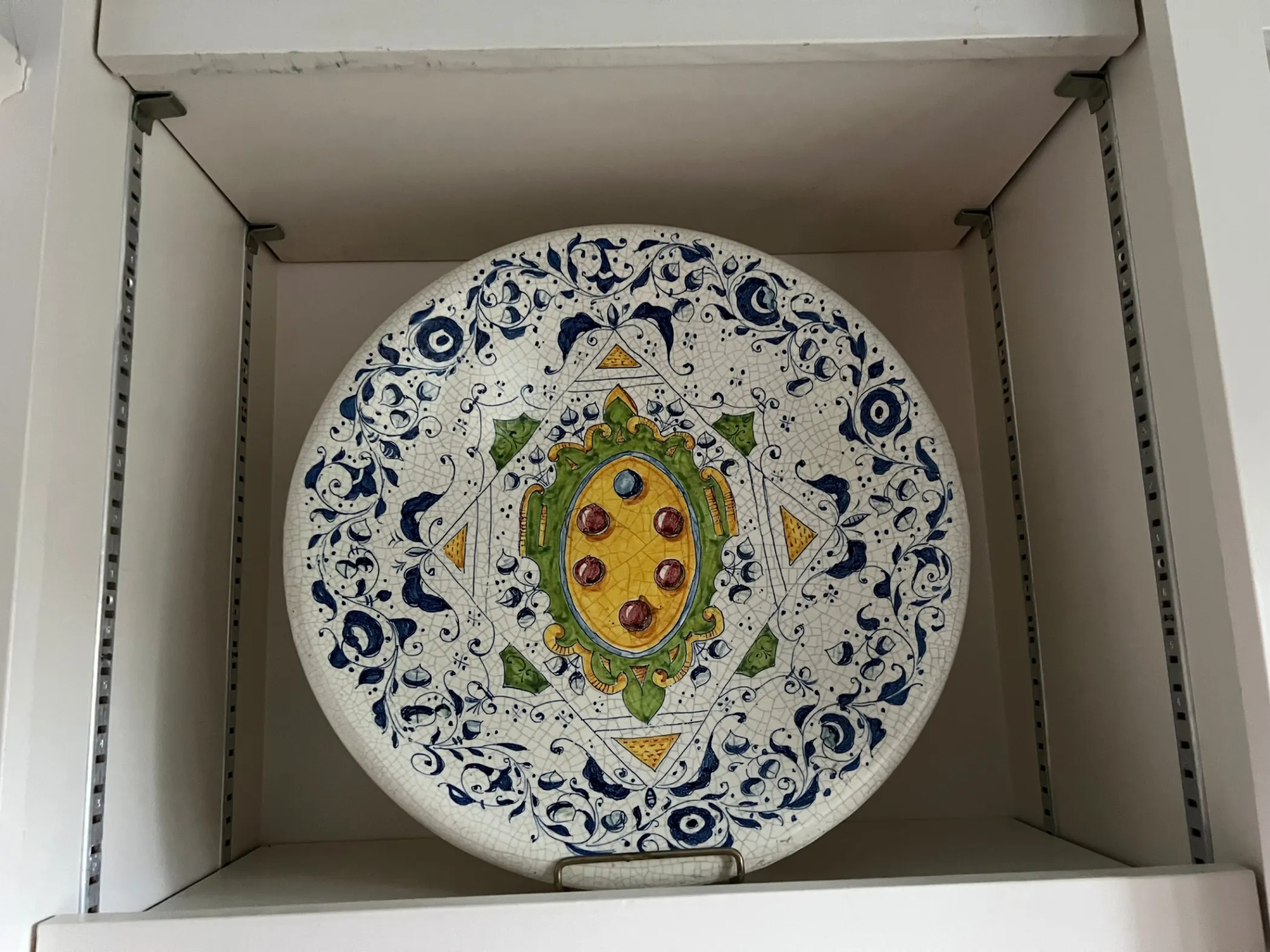
A few years ago, I moved back to Washington DC, after living most of my adult life in the former Medici capital.
But even now— thousands of miles away— they are still peering over my shoulder, tortaux gules, roundel azure and all.
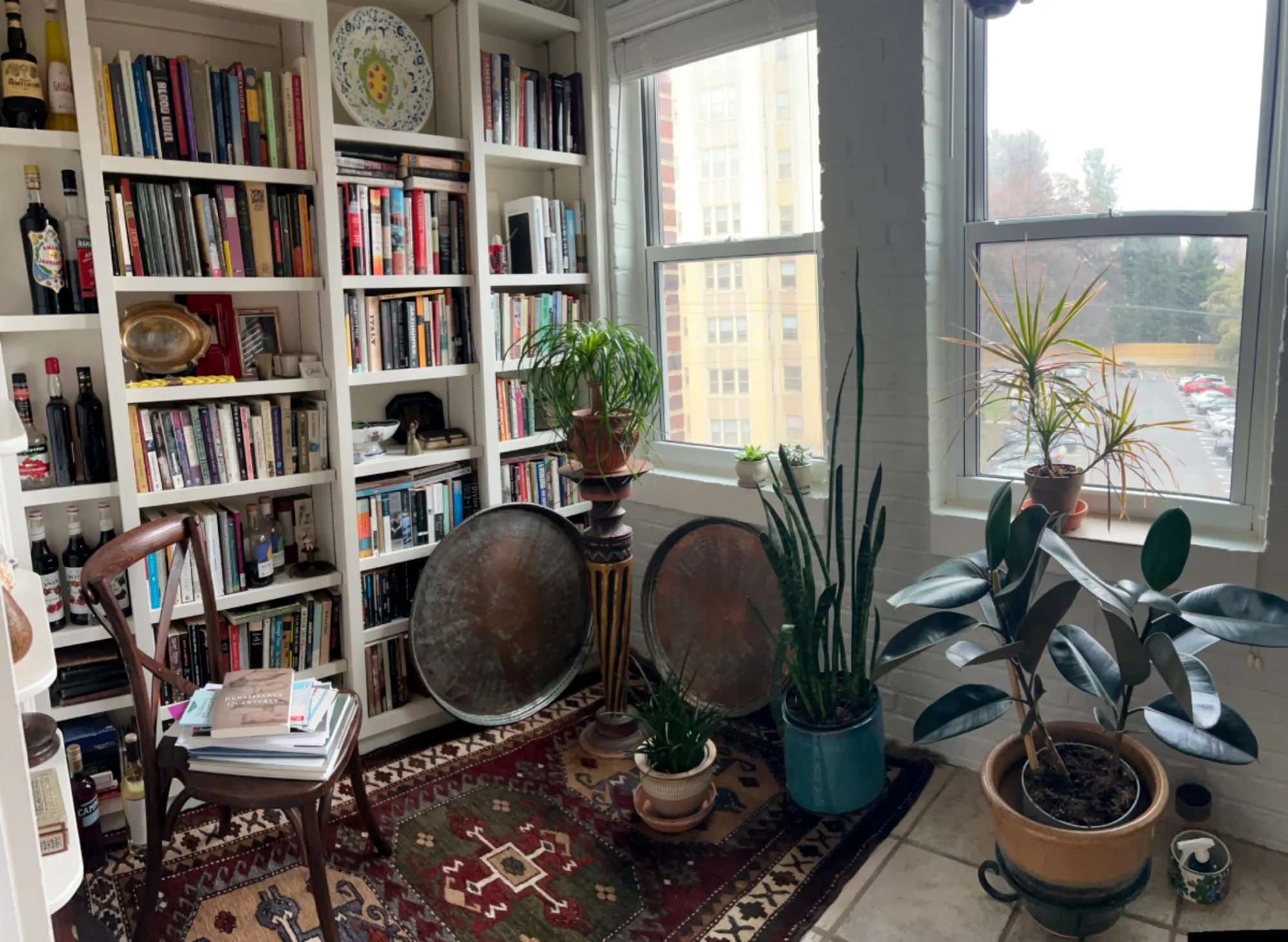
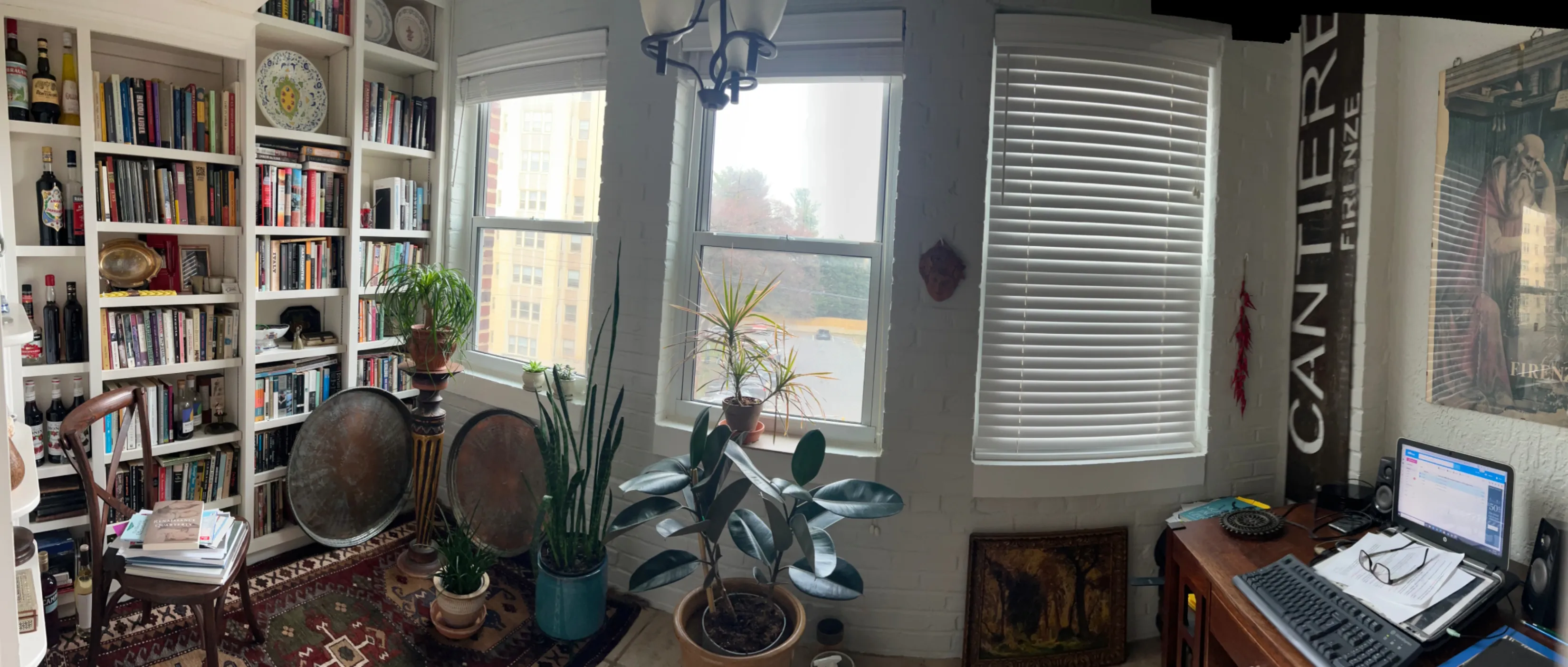
This very minute... as I tuck the last bits into this post.

Lorem ipsum dolor sit amet, consectetur adipiscing elit. Suspendisse varius enim in eros elementum tristique. Duis cursus, mi quis viverra ornare, eros dolor interdum nulla, ut commodo diam libero vitae erat. Aenean faucibus nibh et justo cursus id rutrum lorem imperdiet. Nunc ut sem vitae risus tristique posuere.